
Guide · By the TX Torque Coaching Staff
What is TrackMan and what is it for?
TrackMan is a radar-based tracking system that measures what happens to the ball on every pitch and swing: velocity, spin, exit velocity, launch angle and more. Players use it to train with real numbers instead of guesses.
By the TX Torque Coaching Staff · Updated October 22, 2026
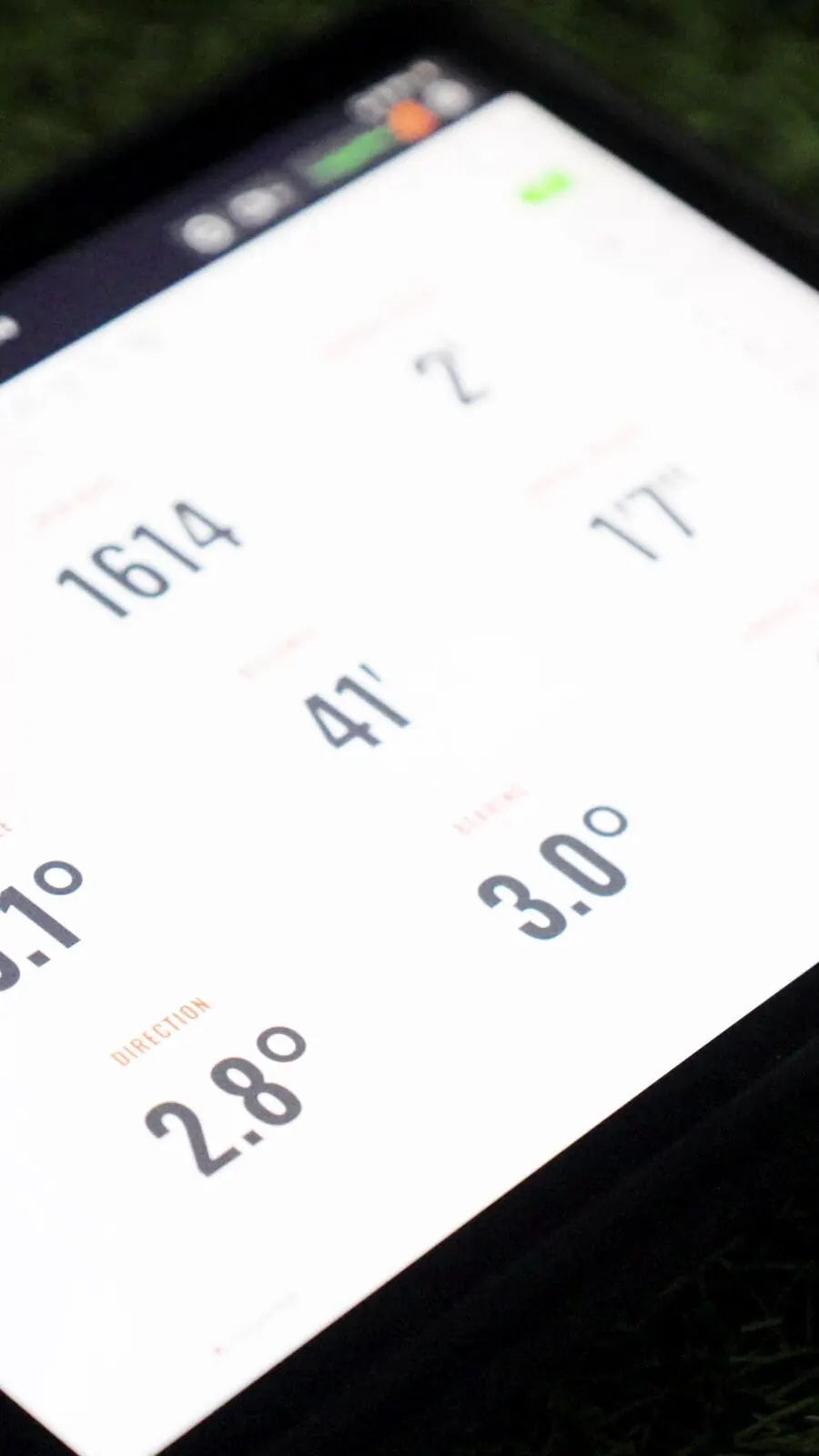
If you have watched a big league game on TV and seen the exit velocity of a home run or the spin rate of a curveball, you have seen ball tracking data. TrackMan is one of the systems that produces it, and it is the same kind of technology MLB organizations use in their stadiums and player development. Here is what it is and why it matters for a young player.
How it works, in plain words
TrackMan uses radar to follow the ball from the moment it leaves the pitcher's hand or the bat. From that flight it calculates speed, spin and direction, and it can do it on every single rep. That means a player gets objective feedback right away, not just a coach's eye or a feeling.
What it measures for hitters
- Exit velocity: how hard the ball comes off the bat, in miles per hour. It is one of the clearest signs of bat speed and quality of contact.
- Launch angle: the vertical angle the ball leaves the bat. Very low angles mean ground balls, very high angles mean pop ups. Hard contact in a good angle range is what turns into damage.
- Distance and direction: where the ball would have gone.
What it measures for pitchers
- Velocity: how fast the pitch is thrown.
- Spin rate: how fast the ball spins, in revolutions per minute. Spin affects how the ball moves.
- Movement: how much a pitch breaks vertically and horizontally compared to a pitch with no spin.
- Release: where the ball comes out of the hand, including height and extension toward the plate.
At Torque we focus on the numbers that drive development for our athletes: exit velocity, launch angle, pitch velocity and spin rate.
Why it helps a young player
It replaces guessing with measuring. A hitter can feel like he is swinging harder. The number tells you if he actually is. A pitcher can try a new grip. The spin and movement tell you if it changed anything.
It shows progress over time. Kids and parents can see real improvement month to month, which keeps players motivated through the slow parts of development.
It sets measurable goals. "Get better" becomes "add 3 mph of exit velocity this season," and the training plan is built around that.
It speaks the language of recruiting. College coaches ask for numbers. A player with tracked, consistent data can show what he does, not just say it.
What TrackMan does not do
Data does not coach a player by itself. A number tells you what happened, not why. That is why the coach matters: someone has to connect the number to the mechanics, the strength and the approach behind it, and then pick what to fix first.
Numbers also need context. A 10 year old should not be compared to a high school senior. Development is about the player's own trend, not about matching someone else's number.
How to use the numbers well
- Get a baseline before changing anything.
- Pick one or two numbers that match the player's main goal.
- Train with intent and measure regularly, not once.
- Look at averages and trends, not one great rep.
- Connect the data to the work in the weight room and the cage.
When should a player start using it?
Any age can benefit from seeing a number go up, but the data becomes most useful as players get stronger and more consistent. At Torque, players in our 11 to 14 group start building TrackMan baselines as they get ready for high school ball, and our 14+ athletes use the data for development and recruiting.
Questions parents ask about TrackMan
Is it only for advanced players? No. Younger players benefit from seeing effort turn into a number, and it makes training feel like a game. The way we use the data simply changes with age: simple goals for younger players, more detailed work as athletes get older.
Will my player get obsessed with numbers? The coach sets the tone. We use one or two numbers that match the player's goal and keep the focus on the work that moves them, not on chasing a single big rep.
Do college coaches really look at this data? College programs use tracked metrics in their own player development and evaluation, so numbers like exit velocity and pitch velocity are part of how they look at recruits. Consistent, verified numbers over time tell a stronger story than one showcase result.
Is a radar gun the same thing? A radar gun gives you one number, usually velocity. A system like TrackMan adds spin, movement, launch angle and more on the same rep, which is what lets a coach connect the result to the cause.
A simple example
A 13 year old hitter feels like he is hitting the ball hard but keeps getting out on ground balls. His exit velocity is solid for his age, but most of his launch angles are low. That points the work in a specific direction: his swing path and contact point, not just "swing harder." After a few weeks the coach checks the same numbers again. That loop, measure, adjust, measure again, is the whole point.
TrackMan at Torque
We track every swing and every pitch, so players and parents see real progress and college coaches get the numbers they want. See TrackMan training, or book a free trial and see your numbers.
Your first class is free.
Fridays and Saturdays, year-round. No deposit, no commitment.